
GM Energy and WeaveGrid Expand Utility Program Access
WeaveGrid is working with GM Energy to make it easier for eligible GM electric vehicles and home energy products to participate in programs offered by electricity providers.
The collaboration brings together GM Energy’s electric vehicles, charging products, and home energy systems with WeaveGrid’s software platform for managing flexible energy resources.
Through the partnership, participating utilities may be able to include compatible GM vehicles and energy products in customer programs designed to manage electricity demand and improve grid performance.
Managed Charging Connects EVs With the Power Grid
Managed charging allows participating utilities to adjust or schedule EV charging based on electricity demand, grid conditions, and customer requirements.
Instead of every vehicle charging at the same time, connected charging programs can shift some electricity use to periods when demand is lower or when more grid capacity is available.
For eligible drivers, these programs may also provide access to incentives or other benefits offered by participating electricity providers. Availability and program terms will vary by utility, location, and customer eligibility.
Bidirectional Vehicles Support Home Energy Systems
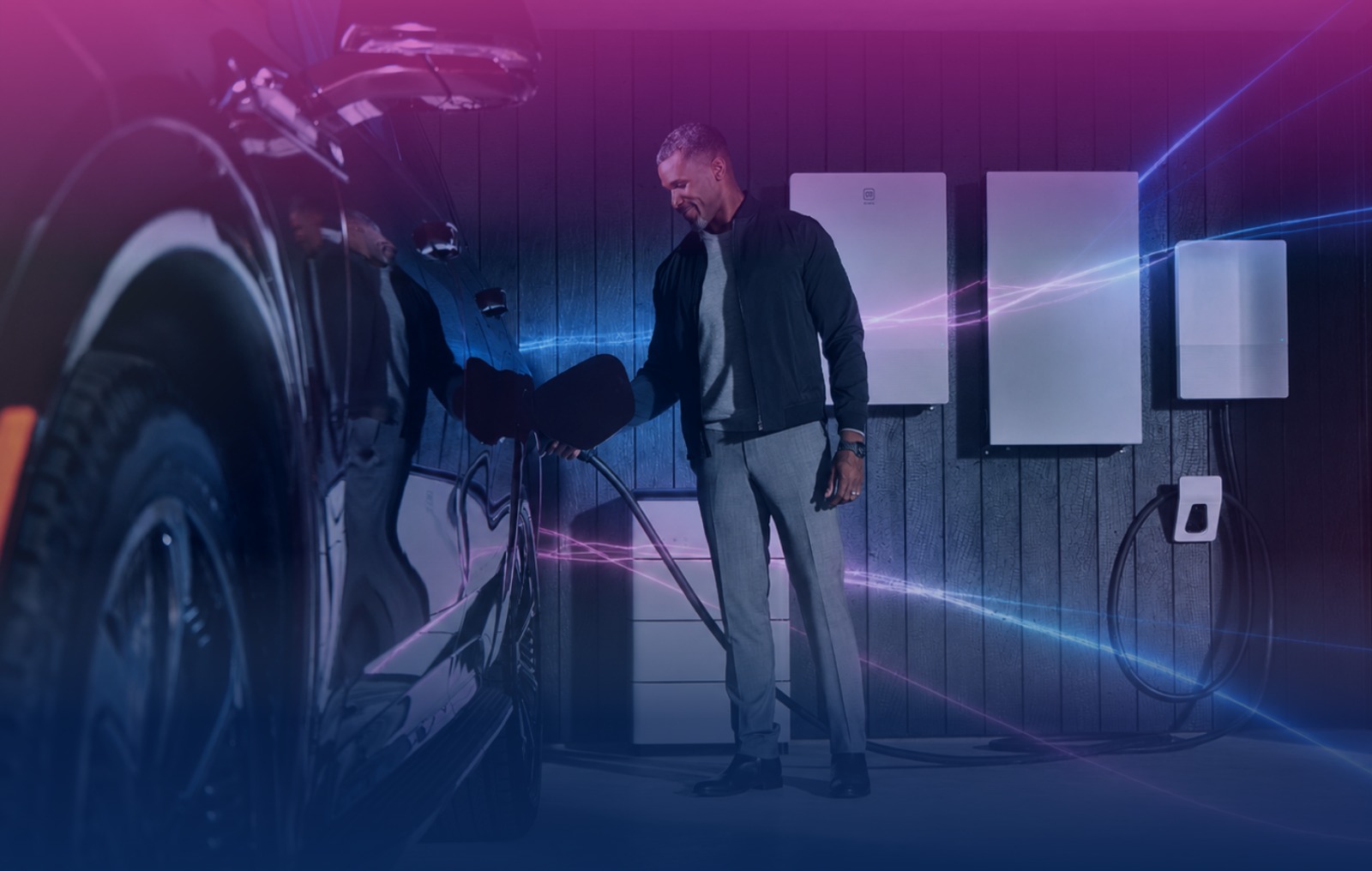
Owners of compatible bidirectional GM electric vehicles and homes equipped with eligible GM Energy vehicle-to-home systems may also be able to participate in utility programs where available.
The GM Energy V2H Bundle allows compatible vehicles to send stored energy to a properly equipped home, providing an additional source of power when needed.
GM Energy’s broader home system can also include stationary battery storage through the GM Energy PowerBank, connecting the vehicle, the home, and energy storage within a single residential energy ecosystem.
Software Coordinates Vehicles and Energy Resources
WeaveGrid’s Distribution-Integrated System Capacity Orchestration platform is designed to help utilities coordinate electric vehicles, residential batteries, and other flexible energy resources.
By connecting eligible vehicles and home energy systems with utility programs, the platform can help shift electricity demand, improve grid utilization, and support more reliable energy management.
The collaboration reflects the growing importance of software in the EV industry, where digital platforms are increasingly being used to connect transportation, home energy products, and electricity networks.
Why This Matters for the EV Industry
The expansion of electric vehicles will create new electricity demand, but connected and bidirectional technologies may also allow vehicle batteries to become useful energy resources.
Collaborations between automakers, utilities, and software providers can help coordinate charging while giving eligible customers more ways to participate in energy programs.
As these technologies develop, EVs could play a wider role in supporting homes and electricity systems rather than functioning only as transportation.
What It Means for EVIS America
This is exactly the type of convergence between mobility, software, and energy shaping the future of electric transportation.
As electric vehicle adoption grows, automakers, utilities, charging providers, and technology companies will need to collaborate on systems that manage charging demand, integrate home energy products, and support a more reliable electricity grid.
That is where EVIS America 2026 becomes especially relevant. Taking place on November 3–5, 2026 in Toledo, Ohio, the event brings together automakers, utilities, technology companies, infrastructure providers, and mobility leaders to explore how connected energy systems and intelligent charging are transforming transportation.
Source: WeaveGrid — “WeaveGrid and GM Energy Advance Grid-Integrated EV Charging and Home Energy Programs,” published July 7, 2026.