

Hyundai and SK On Start Production in Georgia
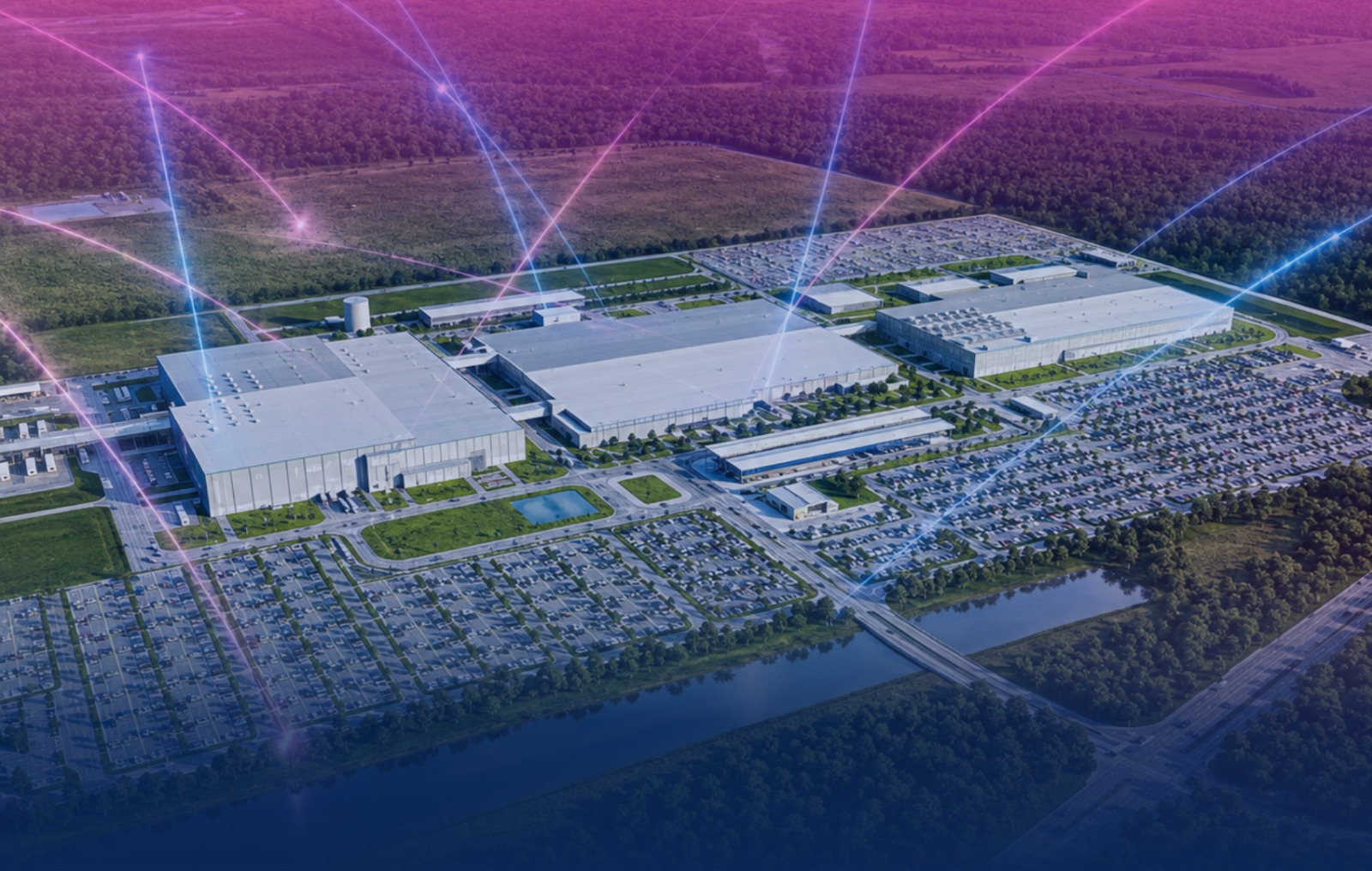
Hyundai Motor Group and SK On have started operations at their jointly owned battery manufacturing facility in Bartow County, Georgia.
The plant is operated by Hyundai SK Battery Manufacturing America, a 50-50 joint venture established by the two companies to produce battery cells for Hyundai Motor Group’s electric vehicles in the United States.
Initial production began in June 2026, marking the transition of the project from construction to commercial manufacturing.
The Plant Adds 35 GWh of Annual Capacity
The facility is designed to produce up to 35 gigawatt-hours of battery cells annually.
At full capacity, that volume is expected to support the production of approximately 300,000 electric vehicles each year.
The new capacity will help supply Hyundai Motor Group’s growing U.S. vehicle manufacturing operations as the company continues to expand its electric vehicle portfolio.
Batteries Will Support Hyundai’s U.S. EV Production
Battery cells produced at the Georgia facility are being supplied to Hyundai Motor Group Metaplant America, the company’s vehicle manufacturing complex near Savannah.
Bringing battery production closer to vehicle assembly allows Hyundai to connect cell manufacturing and vehicle production within the same regional ecosystem.
The facility forms part of Hyundai Motor Group’s broader manufacturing footprint in Georgia, which includes vehicle production, battery operations, suppliers, and supporting logistics.
Georgia’s EV Manufacturing Ecosystem Expands
The opening of the plant adds another major battery manufacturing operation to Georgia’s growing electric mobility sector.
The state is developing an interconnected network of automakers, battery producers, component suppliers, logistics companies, and workforce organizations.
Hyundai and SK On’s investment demonstrates how EV manufacturing increasingly depends on regional industrial ecosystems rather than standalone vehicle assembly plants.
Why This Matters for the EV Industry
Battery manufacturing capacity has become a central part of competition in the global electric vehicle industry.
Locating battery production near vehicle plants can provide automakers with closer coordination across production schedules, quality control, logistics, and product development.
The Hyundai and SK On facility also illustrates the scale of investment required to establish domestic battery supply chains capable of supporting high-volume electric vehicle manufacturing.
What It Means for EVIS America
This is exactly the type of manufacturing and supply chain development shaping the future of electric mobility.
As North American EV production grows, automakers, battery manufacturers, suppliers, technology companies, and regional development organizations must work together to build resilient and competitive industrial ecosystems.
That is where EVIS America 2026 becomes especially relevant. Taking place on November 3–5, 2026 in Toledo, Ohio, the event brings together automotive manufacturers, battery leaders, suppliers, policymakers, and mobility innovators to explore how investment, advanced manufacturing, and regional collaboration are transforming transportation.
Source: Electrive — “SK On and Hyundai Start Battery Cell Production in Georgia,” published July 15, 2026.
Additional Source: Hyundai Motor Group — “Hyundai Motor Group and SK On to Establish EV Battery Cell Production Joint Venture in US.”