

Recent adjustments across the automotive sector, including delayed launches and revised EV programs, signal a broader industry shift. This is not a slowdown. It is a recalibration. Automakers are refining strategies, reallocating capital, and aligning product roadmaps with the realities of demand, infrastructure, and profitability.
This transition marks a turning point. The conversation is no longer about how quickly electrification can expand, but how effectively it can be implemented.
For years, the market was driven by aggressive targets and forward-looking commitments. Today, those ambitions are being tested against operational complexity. Battery production costs, supply chain dependencies, and evolving consumer expectations are reshaping how companies approach electrification. As a result, manufacturers are becoming more selective, prioritizing programs that offer clearer pathways to scale and return on investment.
Vehicle strategy is becoming more focused. Instead of pursuing broad electrification across all segments, automakers are concentrating on categories with stronger demand visibility, particularly SUVs, pickup trucks, and commercial fleets. These segments offer practical entry points for scaling adoption while maintaining commercial viability.
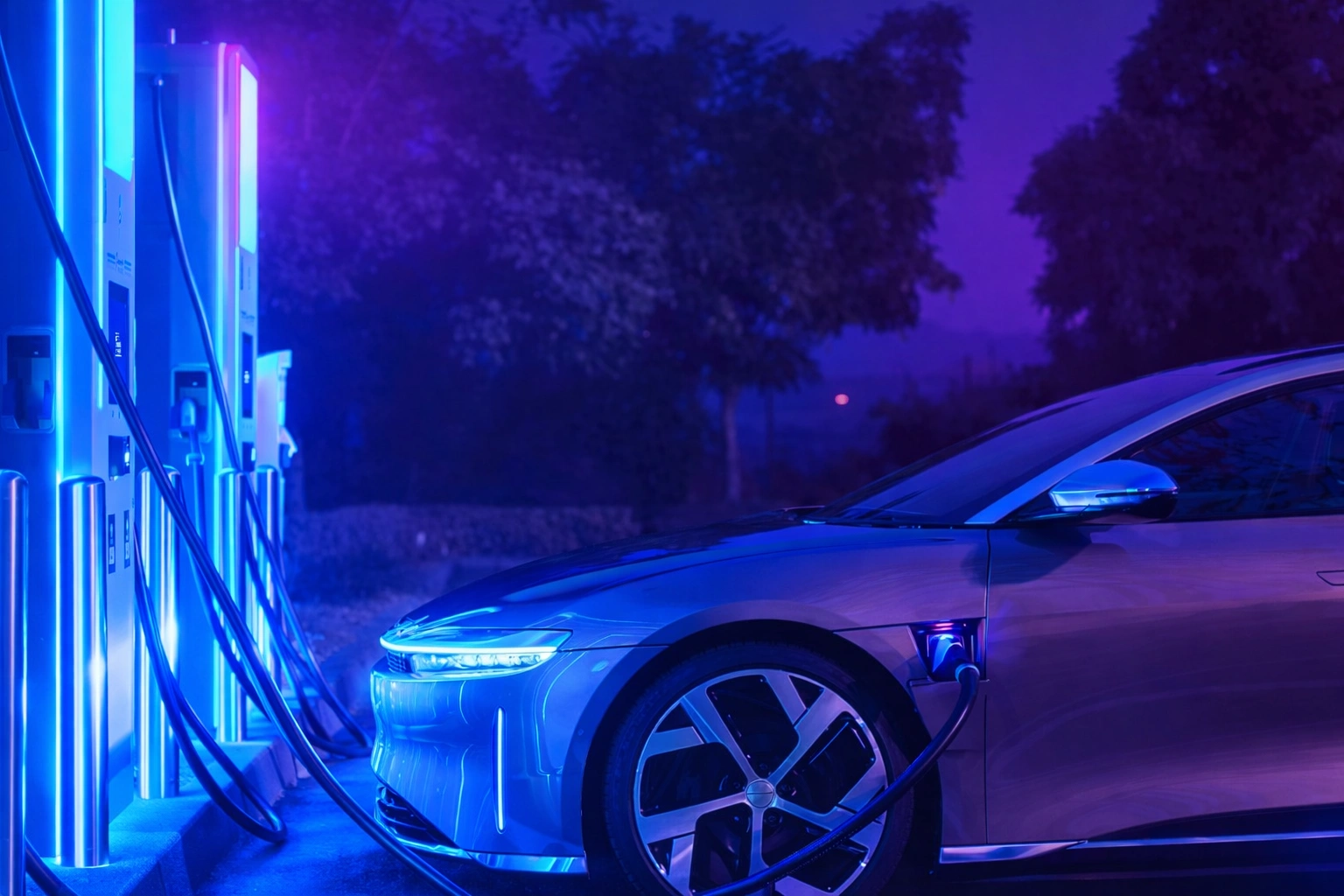
At the same time, infrastructure remains a defining factor. The expansion of charging networks across the United States continues, but consistency, reliability, and interoperability remain critical challenges. For consumers, the decision to adopt electric vehicles is closely tied to confidence in the charging experience. For manufacturers, infrastructure readiness directly influences product rollout timelines and market strategy.
Policy continues to support the transition, but it also introduces complexity. Evolving federal and state-level incentives, along with requirements around domestic manufacturing and sourcing, are shaping investment decisions and production strategies. Navigating this landscape requires both agility and long-term planning.
Taken together, these dynamics reflect a market that is becoming more disciplined, more selective, and more execution-focused. The next phase of growth will not be defined by volume alone, but by the ability to deliver integrated solutions that connect vehicles, infrastructure, energy systems, and user experience.
This is where the real opportunity lies.
The companies that succeed in this phase will be those that can align technology, capital, and partnerships to deliver reliable, scalable outcomes. The shift underway is not a retreat from electrification, but a progression toward a more mature and sustainable market.
As the U.S. mobility sector moves into this execution-driven phase, the need for alignment across stakeholders becomes increasingly important.
EVIS America 2026, taking place in Toledo, Ohio, provides a focused platform to address these priorities. Bringing together automakers, infrastructure providers, investors, and policymakers, EVIS America enables critical conversations around deployment, investment strategy, and market delivery—supporting the next stage of electric mobility growth in the United States.
Source: https://www.spglobal.com/automotive-insights/en/blogs/2026/03/ev-plans-us-cancellations-launches