



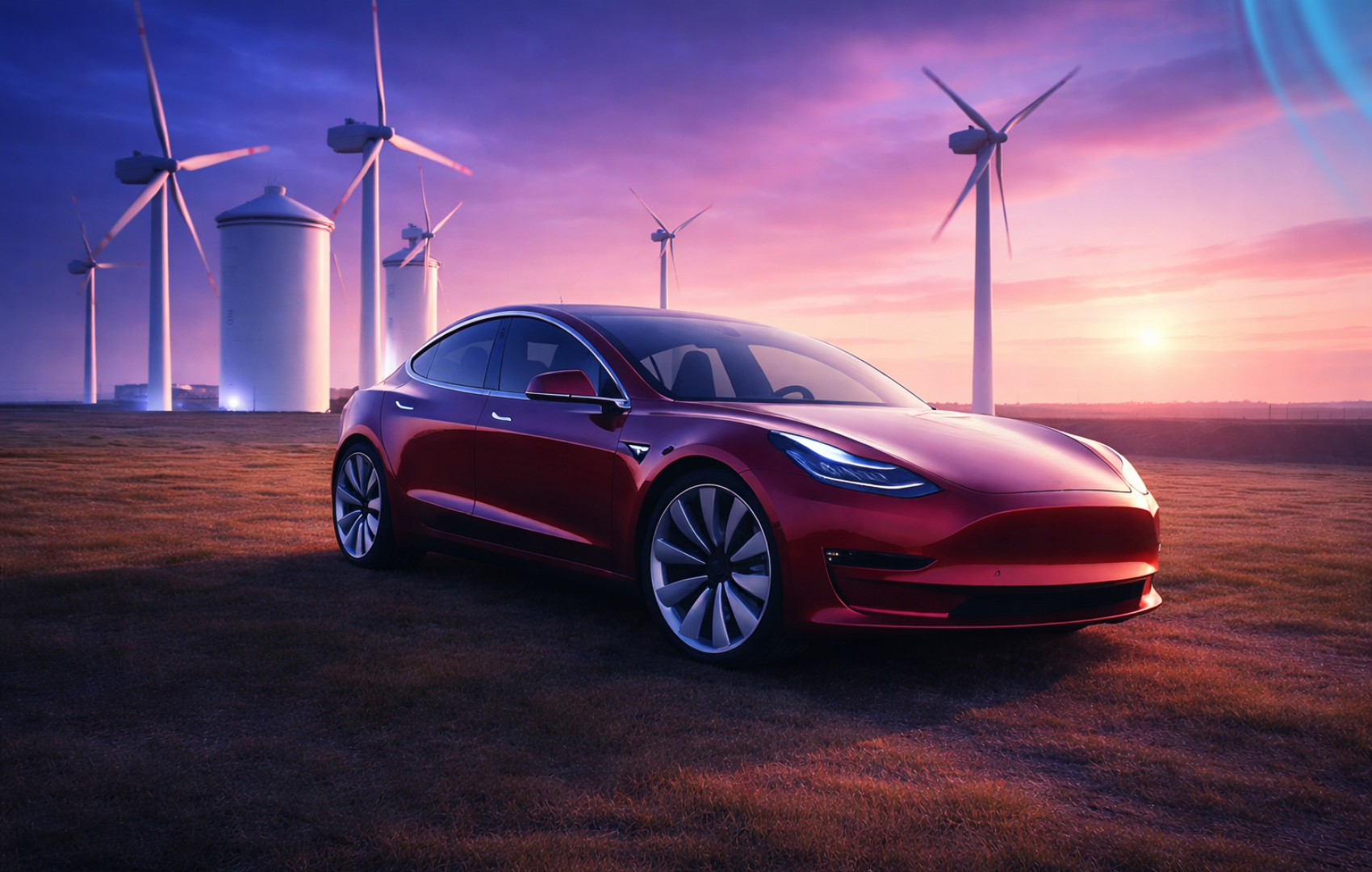
Electric Vehicles Gain Momentum as Energy Volatility Reshapes Mobility
Recent disruptions in global energy markets are reinforcing a critical reality: reliance on fossil fuels continues to expose transportation systems to volatility. As fuel prices respond to shifting supply conditions, both consumers and businesses are re-evaluating how mobility is powered.
This moment is not just about short-term fluctuations. It reflects a broader transition already underway, where electric vehicles are emerging as a more stable and adaptable solution.
From Fuel Price Uncertainty to Operational Stability
Fuel price volatility has always influenced transport decisions, but the current environment is making its impact more immediate. Rising and unpredictable costs are pushing organizations and individuals to rethink long-term strategies.
Electric vehicles offer a clear advantage in this context. By reducing direct dependence on oil, they provide greater control over operating costs and improve predictability. This is particularly relevant for fleet operators and businesses managing large-scale mobility operations.
At the same time, improvements in battery technology and the steady expansion of charging infrastructure are making EV adoption more accessible across markets.
A Shift Driven by Practical Considerations
While sustainability remains a key driver, the current acceleration in EV adoption is also rooted in practical realities.
Cost stability, energy efficiency, and reduced exposure to global fuel market fluctuations are becoming central decision-making factors. Electric vehicles, which convert energy more efficiently and can be powered by diverse energy sources, are well positioned to meet these needs.
This shift is influencing not only consumer behavior but also investment strategies across the automotive and energy sectors.
Industry Momentum Continues to Build
Manufacturers, energy providers, and technology companies are responding to this growing demand. Investment in electrification is increasing, with a strong focus on improving vehicle performance, expanding charging networks, and integrating cleaner energy sources.
As a result, electrification is moving beyond early adoption and becoming a central part of the global mobility landscape. The connection between transportation and energy systems is becoming more defined, with both sectors evolving in parallel.
Reducing Dependence on a Single Energy Source
The current energy landscape is highlighting the importance of diversification. Relying heavily on a single fuel source introduces risk, particularly in times of global uncertainty.
Electric vehicles offer a pathway toward greater flexibility. By enabling transportation to be powered through a wider mix of energy inputs, they support a more resilient and adaptable system.
This is not a short-term adjustment. It signals a long-term structural shift in how mobility is designed, powered, and scaled.
What This Means for the Future of Mobility
The direction is becoming clearer. Energy volatility is accelerating decisions that were already in motion, pushing industries toward solutions that offer efficiency, stability, and long-term value.
Electric vehicles are central to this transition, not only as an alternative to conventional transport, but as a foundation for a more balanced and future-ready mobility ecosystem.
EVIS America 2026: Connecting Insight to Implementation
As this transition gains momentum, platforms like EVIS America 2026 play an important role in turning insight into action.
Taking place on November 3–5, 2026, in Toledo, Ohio, EVIS America brings together industry leaders, innovators, and decision-makers to explore how electrification, alternative fuels, and advanced mobility technologies are shaping the next phase of transport.
Source: